Home Technology Trends Your Luxury Clients Will Ask About: A Tampa Bay Guide From Hive Integration
Plan for what luxury clients will expect from their new builds
Hive Integration sees five home technology trends shaping luxury homes in Tampa Bay: integrated lighting, wellness, AI, energy awareness, and service-driven ownership.
Somewhere in the first meeting, your client asks a question that was not on the agenda. Will the lighting help us sleep? Can we run the house by voice? How does it help me conserve energy? Who looks after all of this once we move in? None of these were on your design plan, but the answers can’t wait until the walls are closed.
Each of those questions ties back to one of these trends. Hive Integration works with design and build teams to plan for each one early, so you have answers ready when your clients ask.
Clients Now Expect Light That Supports How They Feel
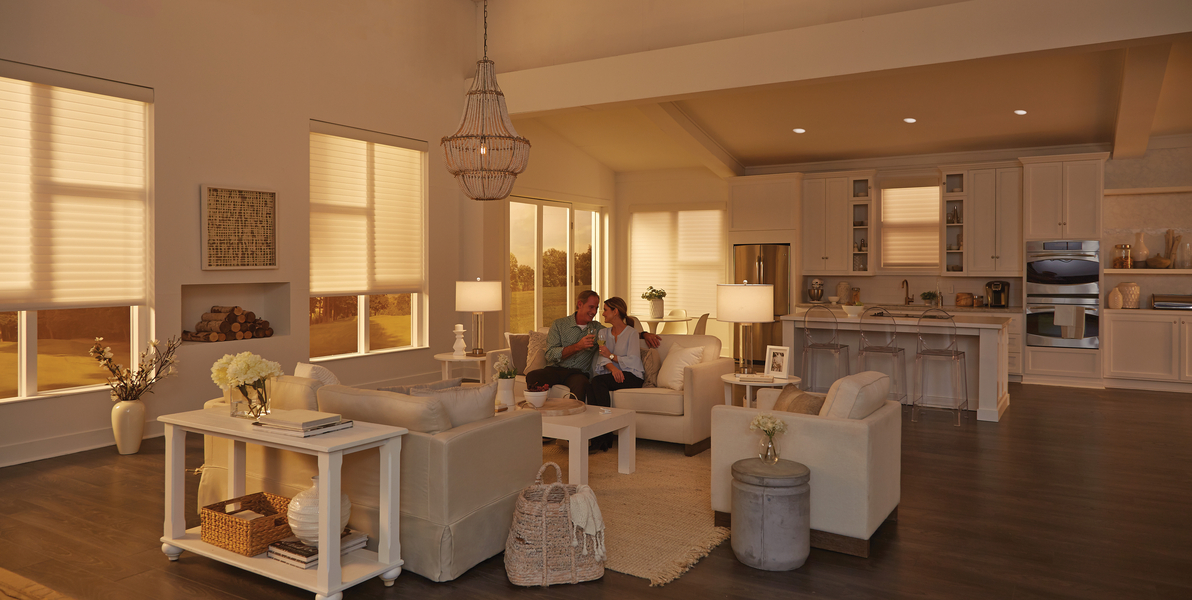
Lighting and wellness now come up in the same conversation. In Lutron's 2026 Luxury Residential Trend Report, 94% of designers and architects say clients consider lighting highly important, and clients describe what they want in terms of feeling: more energy in the morning and a calmer evening. Light that is bright and cool at breakfast and warm by dinner supports that rhythm. Shades help by blacking out light when it’s time to sleep and controlling glare in the afternoon.
A client who says, "I want better sleep," is asking for a lighting and shading plan to help. Tunable fixtures warm and dim the bedroom as evening goes on, and blackout shades close on schedule, so the room is dark and calm at bedtime. Together, they set the room up for rest.
Both depend on shade pockets and fixture wiring planned at the design stage, which is how your client gets the room they asked for without opening a wall later.
Clients Want a Home That Handles the Details
Clients don't want more apps to manage. They want technology to respond to their needs with as little friction as possible.
With AI, that starts with plain-language control. A client says, "Get the house ready for dinner," and the lighting and shades respond, with no app to open and no scene names to remember. Clients also ask where those requests go. Consumer assistants are largely cloud dependent, so requests travel to an outside company's servers. Some professional systems process on equipment inside the home, which better protects the client's privacy.
Energy awareness works the same way. When sunlight fills a room, the lights dim on their own. In Tampa Bay's afternoon sun, shades close on sun-facing glass to reduce heat gain, and the lights rise to keep the room bright. The home uses less energy without the owner having to do anything. It works because lighting and shades are planned together at the design stage.
Why Clients Expect Ongoing Care After Handoff
Clients no longer treat technology as a one-time purchase. They want an ongoing technology concierge to be at their side for years to come.
Without a plan, you're stuck fielding those questions. A managed support plan shifts those calls to the integrator, so your relationship stays focused on design. For the client, a plan means a direct line to our service team, remote monitoring that catches problems early, scheduled system reviews on most levels, and preferred labor rates.
Bring up the managed support plan at the start of the project, and the client sees ongoing care as part of the design from day one. It also gives you a clear answer when a client asks what happens after move-in.
Bring Hive Integration In Early
If you have a project in design, loop our team in early, before the plans are final. Request a complimentary consultation, and we will sit down with you and talk through your project.