Why Designers Need to Embrace Motorized Shading
Daylight, Privacy, and Design Working Together
A single overlooked line item can quietly undo months of careful design work. Fabric gets chosen after the palette is finalized. Wiring gets added after the walls are already closed. The result: a shade that clashes with the trim, a remote nobody uses, and a change order that puts the electrician back on-site and delays timelines.
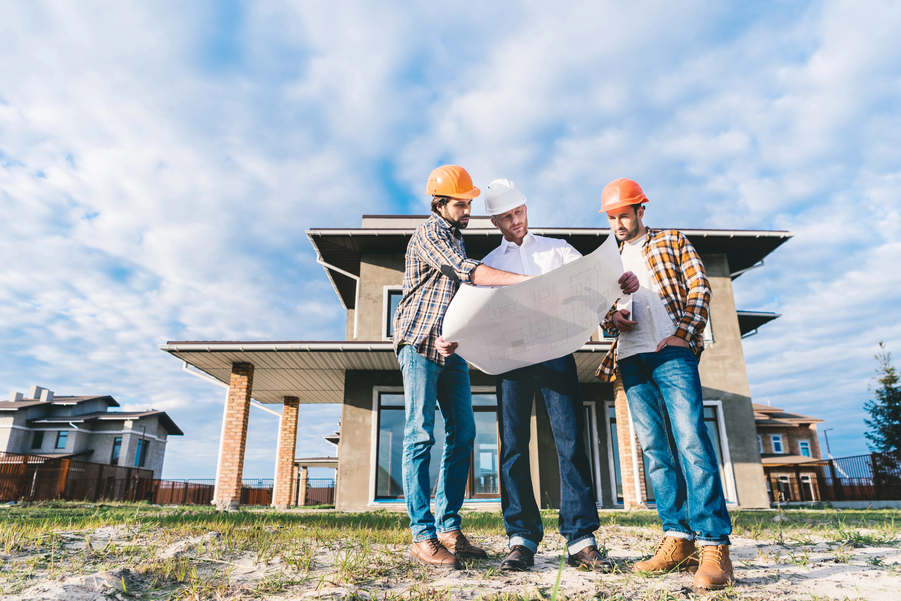
Motorized shading has to be part of the same planning conversation as lighting, HVAC, and structure from the earliest drawings, not something considered after the fact. Handled that way, shading protects the design intent instead of working against it. Here's what to account for during the planning stages.
Daylight Management as Part of the Design Brief
Before you plan a room’s furniture, you need to get a feel for its lighting. The morning sun through east-facing glass, afternoon glare against a media wall, overhead light hitting artwork at the wrong angle. Motorized shading is a big part of that story, especially during the design phase. You should think about sun angles, glass sizes, fabric openness factors, and motor placement, room by room, before construction starts. Your clients get the benefits of motorized shades that block sunlight when it’s not needed without ruining your design.
Protect Your Curated Finishes
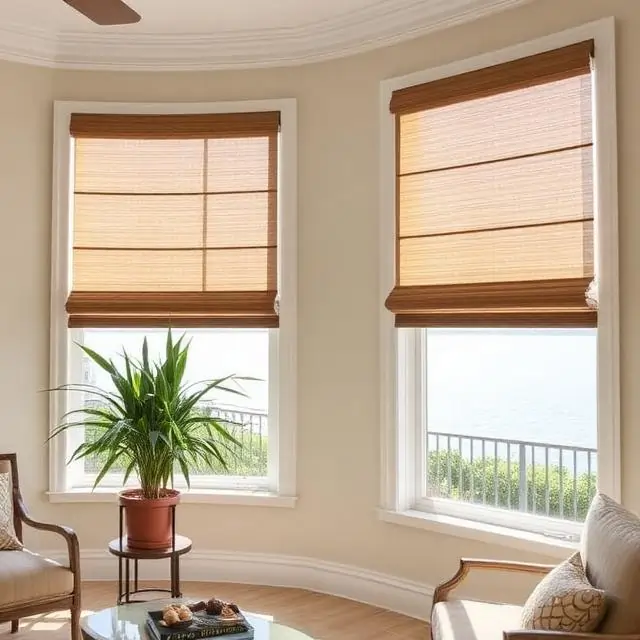
Floor-to-ceiling windows are a standard feature in coastal properties. They’re great for those stunning views, not so much for your interiors. The afternoon sun lets in UV rays that fade rugs, warp wood floors, and push your air conditioning into overdrive. UV exposure and solar heat gain are cumulative. You may not notice until the damage and rising energy bills continue month after month.
Motorized shades can be scheduled to close during peak sun hours to block the sun’s heat and UV rays before they enter. When programmed correctly from the start, those changes occur automatically as sunlight moves throughout the day, without homeowners needing to make manual adjustments. For architects and builders, that's one more way to protect the material choices they've spent months getting right.
Privacy and Efficiency Without Extra Hardware
Privacy glass, film, and landscaping all solve part of the problem, but each adds cost and permanence to a design that may need greater flexibility. Shading solves for privacy and energy efficiency while protecting your view. Paired with the right fabric openness, shades help keep interior temperatures throughout the day, without putting added strain on your AC. As an interior designer, you get flexibility with fabrics and lighting. Choose when a room is best served with the shades closed and when they should remain open. Shades also open and close in unison to maintain the home’s uniform feel.
Bring Shading and Lighting Under One Roof
Shading and lighting should always work in tandem: one manages the light coming in while the other manages the light already in the room, which is why they belong on the same control layer. Platforms like Lutron let shades and lighting scenes trigger together: a movie-night scene that dims the lights and lowers the shades in one command, or a morning scene that raises both gradually. That kind of coordination only works cleanly when it's planned alongside the electrical and low-voltage drawings, not retrofitted after fixtures are already chosen and placed.
For a specifier coordinating multiple trades, having shading and lighting done simultaneously means fewer vendors and a single point of accountability when something needs adjusting later.
Motorized shading works best when it's treated as infrastructure and planned early enough to protect the design. If you're an architect, builder, or interior designer working through the technology scope on a current project, loop our team in during design development rather than after the walls close. Contact Hive Integration to discuss shading, lighting, and control planning for your next build.